Tel:+86-22-60767280
WhatsApp:+86 19902064698
E-mail:ian@iking-glasswool.com
Add:14th Floor, Building 2, Zhiyun Building, Hedong District, Tianjin


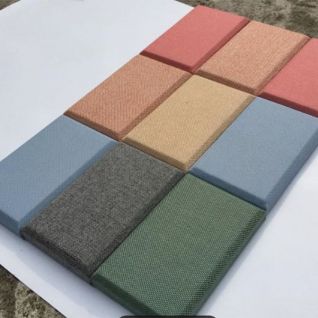
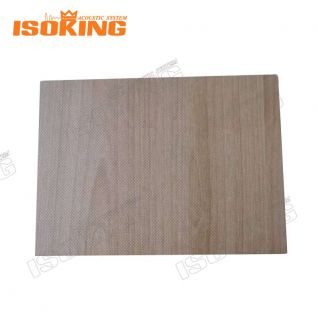
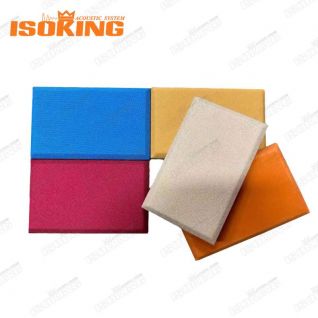
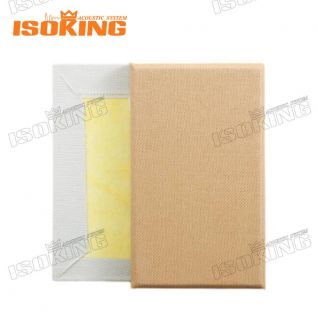
Fabric-wrapped acoustic panels (also known as upholstered acoustic panels) are widely used in theaters, offices, conference rooms, schools, cinemas, recording studios, airports, and hotels.
They offer the following advantages:
High sound absorption performance
Soft to the touch and edge-safe
Aesthetically pleasing wall finish
Fire resistance depends on the fabric rating
In commercial projects, the fabric's fire rating determines whether the acoustic panel is Class A or Class B—a key factor architects and contractors need to consider.
When designing commercial or high-occupancy spaces, acoustic performance is only half the battle; fire safety compliance dictates the material selection. Fabric-wrapped acoustic panels are widely categorized into Class A and Class B fire-rated options. While both provide excellent sound absorption, their thermal behavior under extreme heat differs significantly. Understanding these technical nuances ensures your project passes rigorous local building inspections without unexpected compliance delays.
The primary distinction between these two categories lies in the polymer engineering of the textile wraps and how they react to direct flame exposure.
Class A Premium Performance: Engineered using advanced, inherently flame-retardant (IFR) synthetic fibers or specialized mineral-treated weaves. When exposed to fire, Class A textiles form a resilient char barrier that shields the underlying fiberglass core, suppressing smoke generation and preventing hazardous flaming droplets.
Class B Engineering Standard: Typically utilizes post-treated flame-retardant fabrics. They successfully self-extinguish once the fire source is removed, meeting standard commercial codes, but exhibit a higher propensity to melt under sustained high temperatures compared to Class A.
| Performance Attribute | Class A Fabric Acoustic Panels | Class B Fabric Acoustic Panels |
| ASTM E84 Flame Spread Index | 0 – 25 (Minimal flame spread) | 26 – 75 (Controlled flame spread) |
| Smoke Developed Index (SDI) | Under 450 (Low-smoke safety) | Under 450 (Standard safety) |
| Fiber Thermal Behavior | Non-melting, carbonizing carbon layer | Softening, potential localized melting |
| Color Fastness to Light | Superior (UV-resistant chemistry) | Standard (Ideal for controlled interiors) |
| Project Lifespan & Wear | Heavy-duty durability; stain-repellent | Medium-duty; highly cost-effective |
High-traffic public infrastructure and critical egress routes mandate maximum fire defense. Choose Class A for:
Transit Hubs & Government Infrastructure: Airports, high-speed railway terminals, and courtrooms where strict international building codes apply.
Large-Scale Assembly Occupancies: High-capacity cinemas, auditoriums, and convention centers with complex evacuation logistics.
Healthcare & Education Facilities: School corridors, neonatal units, and hospital wards requiring low-smoke environments.
For standard commercial partitions where budget optimization is crucial, Class B offers the ideal balance:
Corporate Environments: Private executive offices, open-plan workstations, and standard huddle rooms.
Residential & Hospitality Upgrades: Home theaters, boutique retail displays, and gymnasiums.
Acoustic Retrofitting: Fast-track renovations requiring a wide spectrum of custom textile colors and textures.
Architectural Note on Compliance: Always verify your local fire jurisdiction requirements. While Class B is highly versatile, using it in designated fire exits or high-occupancy public zones can result in failed building certifications.
If you require precise technical data sheets, customized sound absorption coefficients ($NRC$), or specific OEM fabric selections for your upcoming bidding process, contact our engineering support team today.
About IKING — Data-Driven Manufacturing for Better Insulation
For more than 19 years, IKING has been focusing on the manufacturing of insulation and acoustic materials, including glass wool, rock wool, and related systems.
99.7% on-time delivery rate
<0.3% defect rate
100% traceability for every batch
[ Read More >>]