Tel:+86-22-60767280
WhatsApp:+86 19902064698
E-mail:ian@iking-glasswool.com
Add:14th Floor, Building 2, Zhiyun Building, Hedong District, Tianjin

ISOKING™ perforated plasterboard fiberglass acoustic wall panels are designed for data centers, server rooms, and technical buildings where reverberation control and easy installation are required.
The lightweight composite structure combines a perforated facing surface with a high-density fiberglass core, helping absorb equipment noise and cooling airflow reflection inside enclosed technical spaces. The adhesive-coated backing allows direct wall installation, making the panel suitable for retrofit projects and fast acoustic upgrading.
ISOKING™ Perforated Plasterboard Fiberglass Acoustic Panel for Data Centers
1. Lightweight Acoustic Solution for Server Rooms Technical Spaces
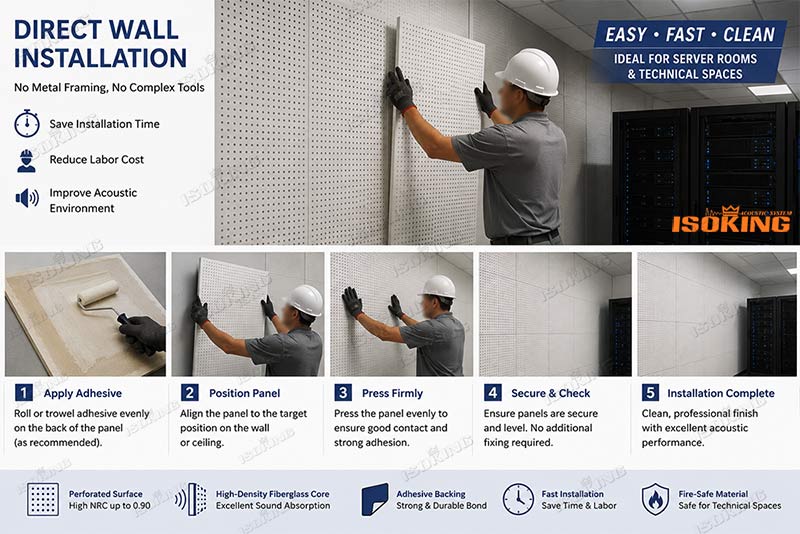
In many data center projects, noise control becomes difficult after cooling systems and server equipment are fully installed. Traditional acoustic ceiling systems often require metal framing and complicated suspension structures, which may increase installation time inside technical rooms.
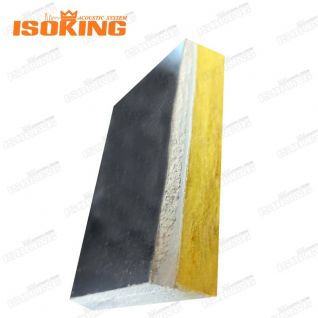
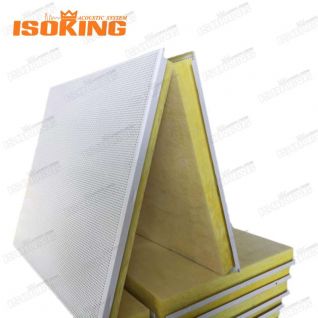
IKING perforated plasterboard fiberglass composite acoustic panels are designed for faster installation in server rooms, equipment areas, and technical buildings where sound absorption and lightweight construction are both required. The panel combines a perforated facing surface with a high-density fiberglass core. The back side is coated with adhesive material, allowing direct installation onto walls or ceiling surfaces in many applications—saving time and reducing workload compared to traditional systems.
2. Designed for Data Center Noise Control
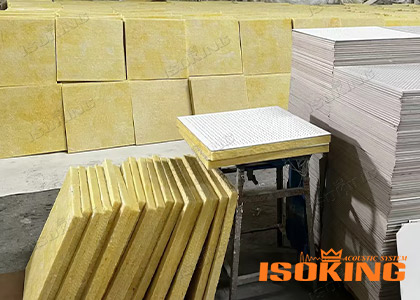
Modern data centers are designed around cooling efficiency, equipment safety, and stable operation, but acoustic comfort is becoming increasingly important as facilities grow larger and more densely equipped. Server rooms usually contain large areas of hard reflective surfaces, and cooling airflow, fan systems, and continuous equipment operation can create noticeable reverberation inside these enclosed spaces.
Long-term equipment noise may affect:
-Communication inside operating rooms
-Speech clarity during maintenance work
-Working comfort for technicians
-Overall indoor acoustic balance
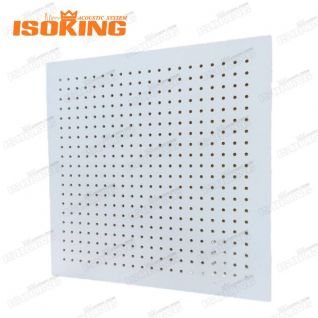
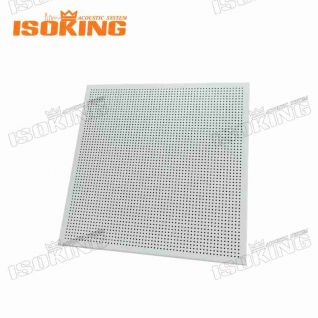
Our perforated plasterboard fiberglass panels address this problem: the perforated surface allows sound waves to pass into the fiberglass insulation layer, where sound energy is reduced instead of reflected into the room. This helps improve acoustic balance in technical environments, with our panels boasting an NRC rating of 0.90—one of the highest for this type of lightweight acoustic solution.
3. Direct Installation Structure
Unlike traditional suspended acoustic ceiling systems, this composite panel can be directly attached to wall or ceiling surfaces using the coated adhesive backing layer—eliminating the need for complex metal framing and suspension structures. This streamlined installation method is especially valuable in time-sensitive projects and is commonly used in:
-Server room retrofitting
-Equipment room renovation
-Technical building upgrades
-HVAC acoustic treatment areas
The lightweight structure also helps reduce installation workload in enclosed technical spaces, where maneuvering heavy materials can be challenging. For projects that require traditional suspension, the panel is also compatible with common installation systems, including:
-Exposed T-grid systems
-Powder-coated suspension grids
-Concealed ceiling systems
-Hidden keel wall structures
Modular installation (whether direct or suspended) also makes future maintenance—like cable inspection and equipment access—easier in data centers and technical buildings.
4. Composite Panel Structure
The panel is engineered for durability and performance in technical environments, typically consisting of:
-Perforated facing surface (available in plasterboard gypsum, calcium silicate, or MgO board, depending on project needs)
-Acoustic non-woven layer
-High-density fiberglass core (the primary sound-absorbing component)
-Adhesive coating backing (for direct installation)
Different perforation patterns and densities can be selected depending on your project’s specific acoustic goals and aesthetic preferences. For specialized needs:
-Calcium silicate facing is recommended for humid environments, as it offers better stability than standard gypsum board
-Custom perforation patterns (hole diameter, ratio, design) are available for project-based orders
5. Common Applications
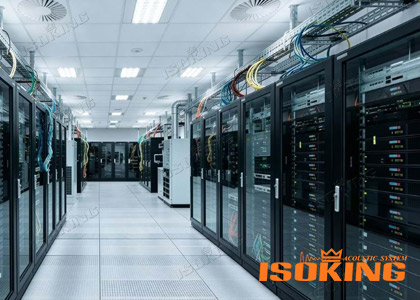
This lightweight, easy-to-install acoustic panel is widely used in all kinds of technical spaces, including:
-Data centers
-Server rooms
-Telecom rooms
-UPS equipment areas
-HVAC rooms
-Operation centers
-Technical corridors
-Industrial control rooms
-Monitoring rooms
It is especially suitable for projects requiring both sound absorption and simple installation—such as retrofits and upgrades where minimizing disruption to existing equipment is critical.
6. Advantages for Technical Projects
Faster Installation
The adhesive-coated backing allows direct attachment to flat wall or ceiling surfaces, eliminating the need for complex framing and reducing installation time—ideal for time-sensitive projects and retrofits.
Reduced Reverberation
The high-density fiberglass core absorbs equipment noise and airflow reflection inside enclosed rooms, improving acoustic balance and creating a more comfortable working environment for technicians.
Lightweight Structure
Easier to handle and install compared with traditional acoustic ceiling systems, reducing workload and improving efficiency in enclosed technical spaces.
Suitable for Retrofit Projects
Can be installed in existing server rooms and technical spaces without large structural modifications, minimizing disruption to ongoing operations.
Integrated Acoustic Thermal Performance
The fiberglass core not only provides superior sound absorption but also offers thermal insulation performance, adding value to data center environments where temperature control is critical.
Fire-Safe Material
The fiberglass core and optional fire-resistant facing materials (like calcium silicate) are widely used in projects requiring fire-resistant building systems, ensuring compliance with safety standards.
Clean Architectural Appearance
Provides a sleek, integrated finish compared with exposed insulation materials, fitting the modern aesthetic of data centers and technical buildings.
Available Specifications
|
Item
|
Options
|
|
Facing Material
|
Plaster/ Gypsum / Calcium Silicate / MgO Board
|
|
Core Material
|
High-Density Fiberglass
|
|
Surface
|
Perforated (Customizable Patterns)
|
|
NRC
|
Up to 0.90
|
|
Installation
|
Direct Adhesive (Wall/Ceiling) Suspended Systems
|
|
Edge Type
|
Square / Tegular
|
|
Application
|
Data Centers Technical Spaces (Including Retrofits)
|
We offer full customization for project-based orders—including custom perforation patterns, dimensions, densities, and facing materials. Just let us know your requirements, and we’ll tailor the panels to fit your data center’s unique needs.
7. About IKING
IKING supplies acoustic insulation materials and composite acoustic panels for commercial and industrial projects. As one of the professional acoustic wall panel manufacturers, we specialize in lightweight, easy-to-install solutions like our perforated fiberglass acoustic panels—designed specifically for data centers and technical spaces.
We support customized perforation patterns, OEM production, project specifications, and export packaging for overseas contractors, distributors, and engineering companies. Our factory focuses on producing acoustic panel systems that combine sound absorption, fire resistance, and easy installation—all in one solution, designed to meet the unique needs of data centers and other technical spaces.
8. Frequently Asked Questions
A: Can the panel be used on both walls and ceilings?
Q: Absolutely! Our acoustic panels work perfectly for both direct adhesive installation on walls/ceilings and suspended ceiling systems—no need to source separate products. They’re designed to be versatile, so you can use them wherever you need sound absorption in your technical space.
A: What core material does the panel use?
Q: Our panels feature a high-density fiberglass core, which provides superior sound absorption and integrated thermal insulation. This lightweight core is also key to making the panels easy to handle and install—ideal for retrofits and enclosed spaces.
A: Is the perforation pattern customizable?
Q: Yes, we can customize the perforation pattern to fit your needs. Whether you need a specific hole diameter, perforation ratio, or even a unique surface design, we can adjust it to hit your acoustic goals and match your space’s aesthetic.
A: Is this panel suitable for humid environments?
Q: If your space has higher humidity, we suggest going with calcium silicate board or MgO board for the facing. These materials hold up much better in damp conditions than standard gypsum board—so you won’t have to worry about warping or damage over time.
A: Do you support OEM orders?
Q: We sure do! We offer full OEM support—including custom branding, personalized packaging, and specifications tailored to your project. Whatever your business needs are, we can adjust to match them for your orders.
A: Is this panel suitable for retrofit projects?
Q: Yes, it’s perfect for retrofits! The direct adhesive installation means you can install the panels in existing server rooms and technical spaces without large structural modifications—minimizing disruption to your ongoing operations.
About IKING — Data-Driven Manufacturing for Better Insulation
For more than 19 years, IKING has been focusing on the manufacturing of insulation and acoustic materials, including glass wool, rock wool, and related systems.
99.7% on-time delivery rate
<0.3% defect rate
100% traceability for every batch
[ Read More >>]